- 0888 796 233
- office@aswm.net
- Пон. - Пет.


Fourth meeting of the HEATSAFE stakeholder network
Which parts of Blagoevgrad are most vulnerable to extreme heat, and where is the risk to people highest?
These are the questions answered by the new vulnerability map developed under the HEATSAFE project. As Partner No. 5 in the project, the Association of South-Western Municipalities (ASWM) is providing the map to its associated partners - the Municipality of Blagoevgrad and the Blagoevgrad Regional Administration - to support future planning of adaptation measures.
Building on the earlier analysis of the pilot municipalities' readiness (see the previous publication), the project's international consortium developed a heat vulnerability map for each of the six pilot territories, including Blagoevgrad. While the analysis showed what tools and practices the country has in place overall, the map answers a more specific question - exactly which parts of the municipality, and which groups of residents, face the greatest risk when temperatures rise.
To produce the map, two types of information were combined. On one hand, the air temperature across different parts of the municipality was simulated during a real heatwave in July 2023. On the other, an analysis was carried out of which areas are home to more vulnerable residents, taking into account the age structure of the population, the condition of buildings, access to green spaces and air conditioning, distance to hospitals, and income levels.
The result shows not simply where it gets hottest, but where heat poses the greatest real danger to residents. For Blagoevgrad, the map highlights the central urban area as the highest-risk zone, where intense heat and higher social vulnerability overlap. The municipality's outskirts and rural areas turn out to be less at risk overall, though temperatures there vary far more widely, since the territory spans everything from the urban core to sparsely populated peri-urban settlements.
A distinctive feature of Blagoevgrad, unlike some of the other pilot municipalities in the project, is that both the intensity of the heat and the vulnerability of the population contribute almost equally to overall risk. This means future measures need to address both factors together, rather than one alone.
The map now gives the Municipality of Blagoevgrad and its partner institutions a concrete starting point - it is known which areas need climate shelters and shaded spaces, where emergency teams should be directed during extreme heat, and where health and social services should focus their attention. Building on the analysis and the map, a catalogue of specific measures has also been developed, which municipalities can apply according to the needs identified in their territory, and which is now available HERE.
The full map and its methodology are available here (in English).

The Association of South-Western Municipalities (ASWM), as Partner No. 5 in the HEATSAFE project, is working with its associated partners - the Municipality of Blagoevgrad and the Blagoevgrad Regional Administration - to introduce modern approaches to heatwave preparedness and response.
Within the project, ASWM provides its associated partners with the analyses, methodologies and practical tools developed by the international consortium, which will support the planning and implementation of effective measures at local and regional level. The Municipality of Blagoevgrad is the pilot territory where these solutions will be tested and applied in practice.
One of the project's first key results is an analytical report assessing the readiness of the pilot municipalities to address the challenges posed by extreme heat. The report lays the foundation for the development of the project's subsequent tools and practical solutions.
The analysis compares practices in the pilot municipalities against the recommendations of the World Health Organization and examines how well local and national policies are prepared to meet the growing risks associated with high temperatures.
For Bulgaria, the report finds that there is still no dedicated national heat action plan, although the issue is addressed within broader public health and climate adaptation policies. At local level, municipalities such as Blagoevgrad are already taking steps to limit the effects of high temperatures by expanding green infrastructure and improving the urban environment, but a dedicated local heatwave action plan is still lacking.
The analysis also highlights good practices in inter-institutional cooperation. When high temperatures are forecast, information is exchanged between meteorological services, health authorities and municipalities, and guidance is issued as needed for at-risk groups and outdoor workers. The health impact of heat is monitored through a combination of weather data and information on emergency calls, hospital admissions and other health indicators.
At the same time, the report identifies areas where further action is needed. Blagoevgrad currently has no network of climate shelters or designated cool public spaces where people can seek protection during extreme heat. The findings will serve as the basis for developing the first Local Action Plan against heatwaves for the Municipality of Blagoevgrad - the next important step in implementing the HEATSAFE project.
The full report is available here (in English).
This publication was prepared within the framework of the HEATSAFE project, implemented under the Interreg VI-B Euro-Mediterranean (EURO-MED) Programme 2021–2027, co-funded by the European Union.
HEATSAFE helps municipalities in South-West Bulgaria prepare for extreme heat
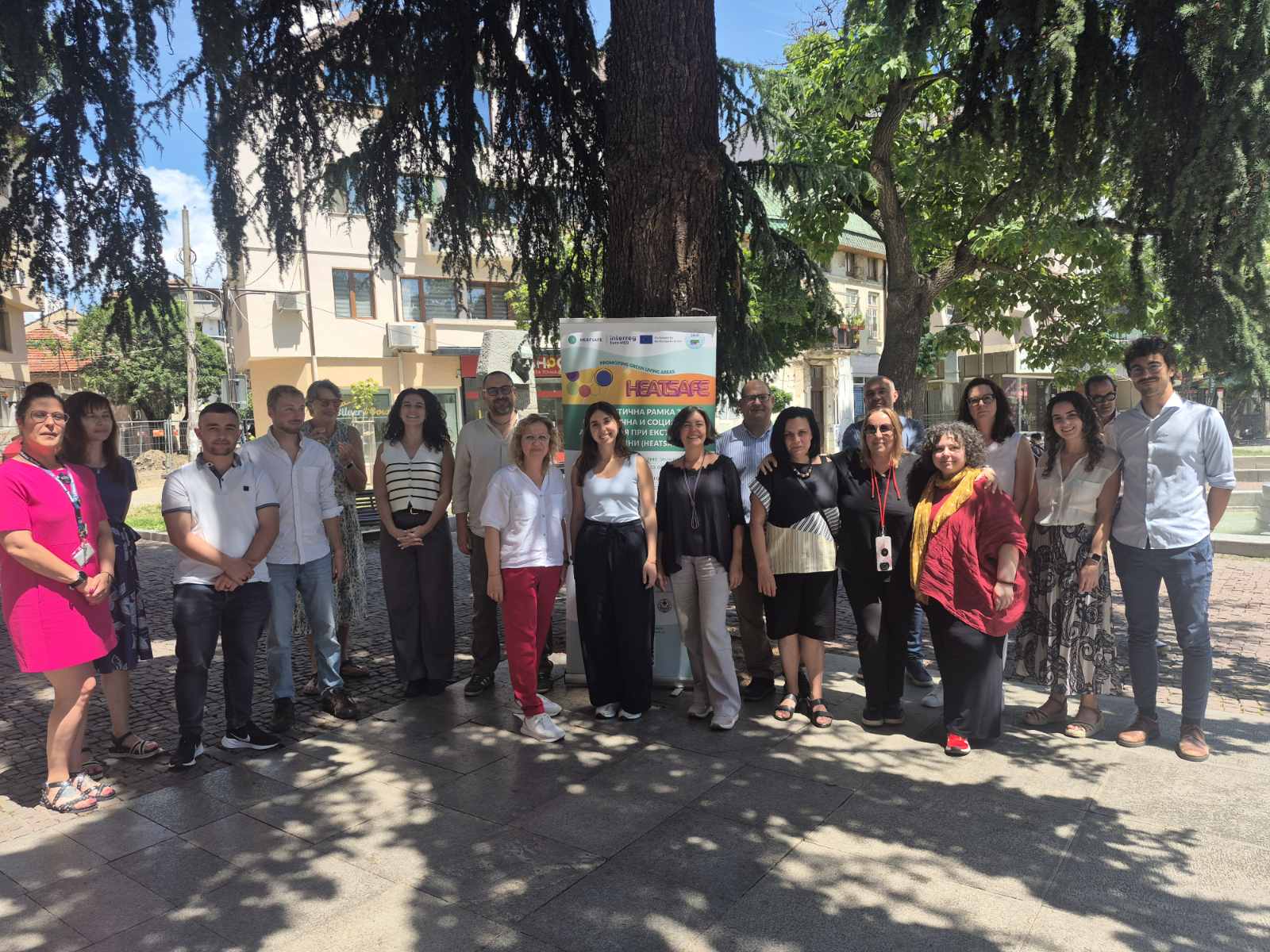
On 10 and 11 June 2026, the Association of South-Western Municipalities (ASWM) organised and hosted a partnership meeting for the European project HEATSAFE – "Holistic Environmental and Social Adaptation Framework for Extreme Heat".
The two-day meeting brought together representatives of all project partners from six Mediterranean countries, united by the shared goal of adapting cities to the increasing frequency and intensity of heatwaves.
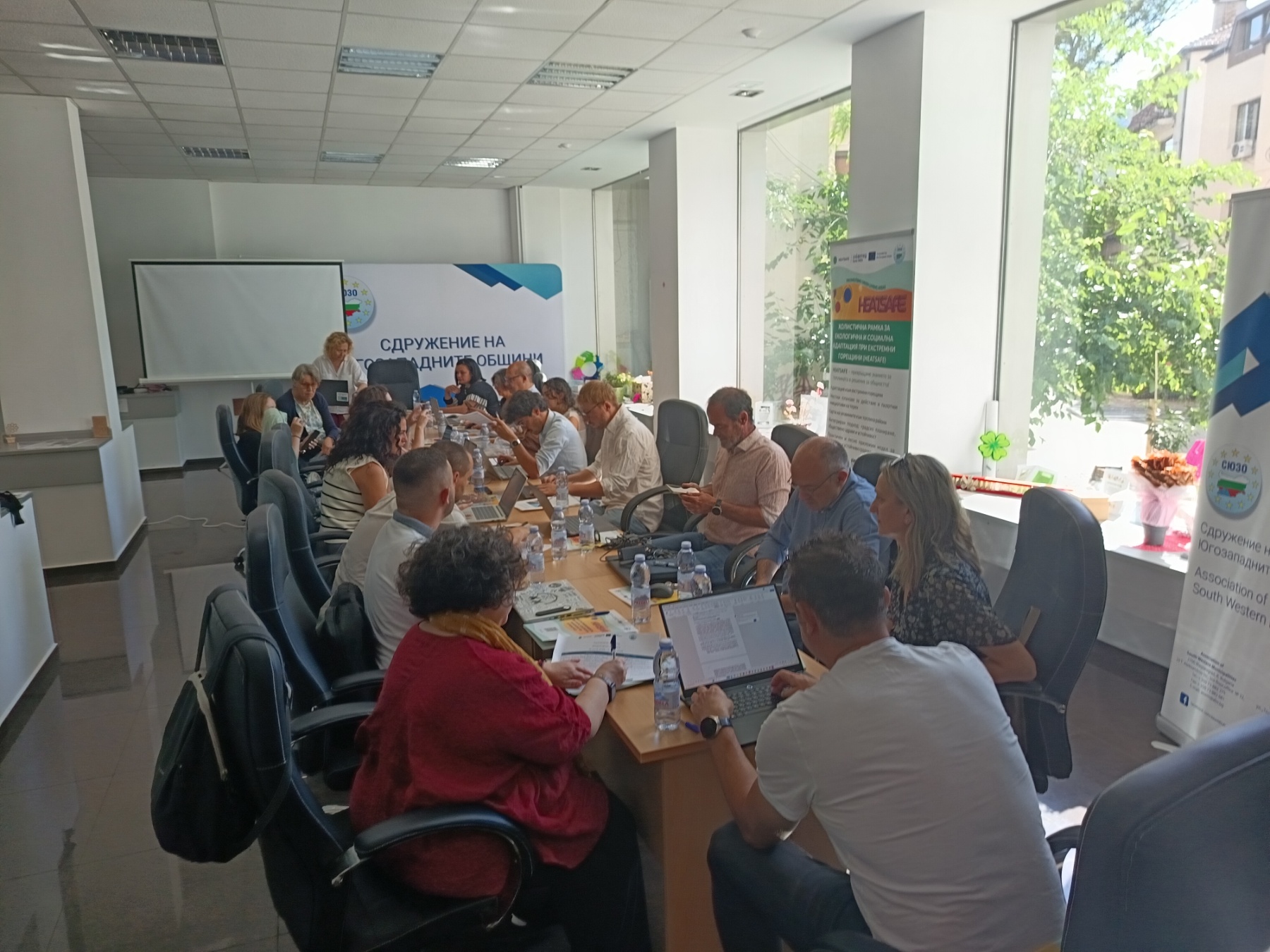
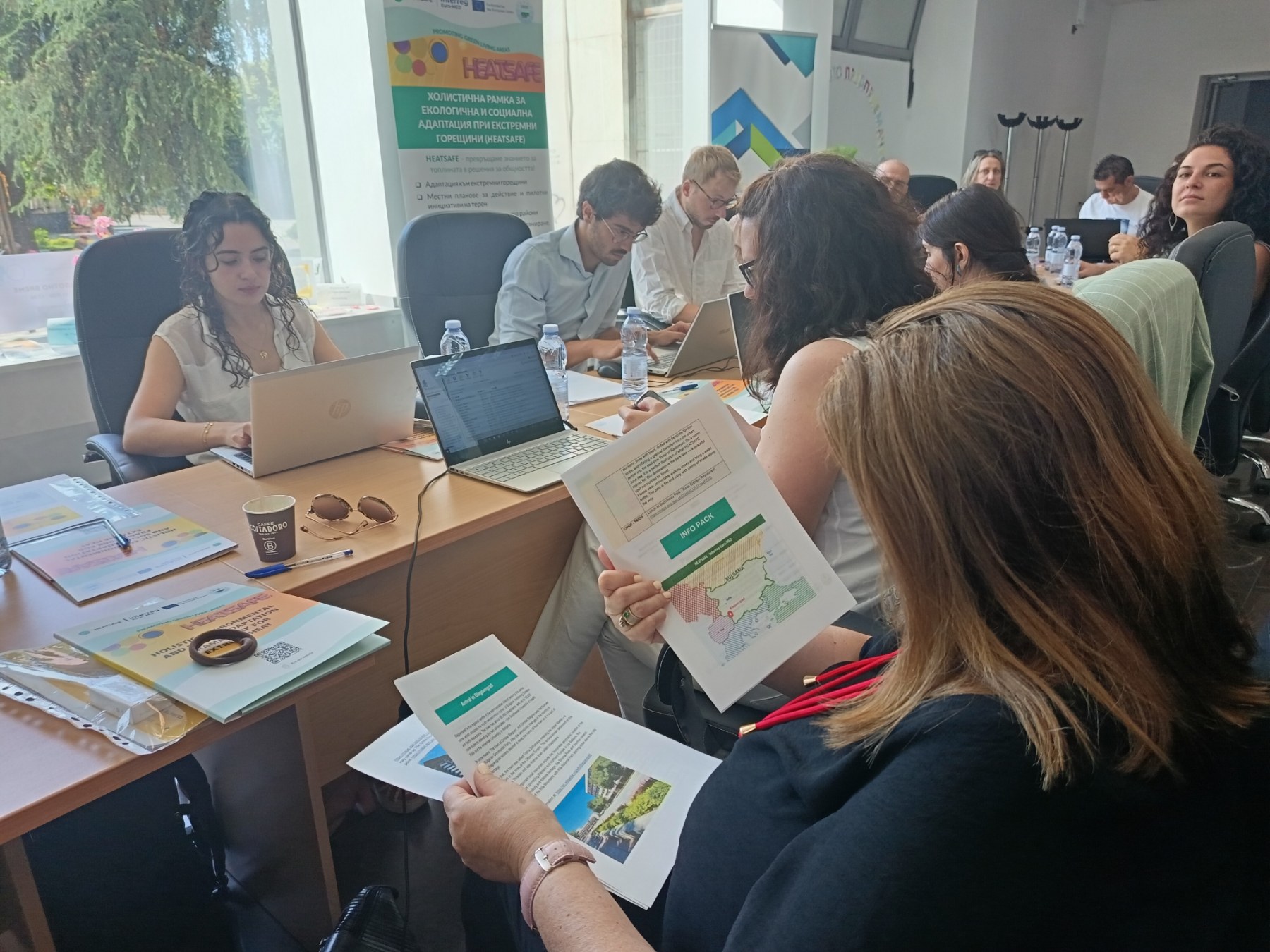
During the meeting, partners worked on common methodologies for the prevention, mitigation and management of heatwave risks, made progress on the development of local action plans, and exchanged good practices in the field of urban adaptation to climate change.
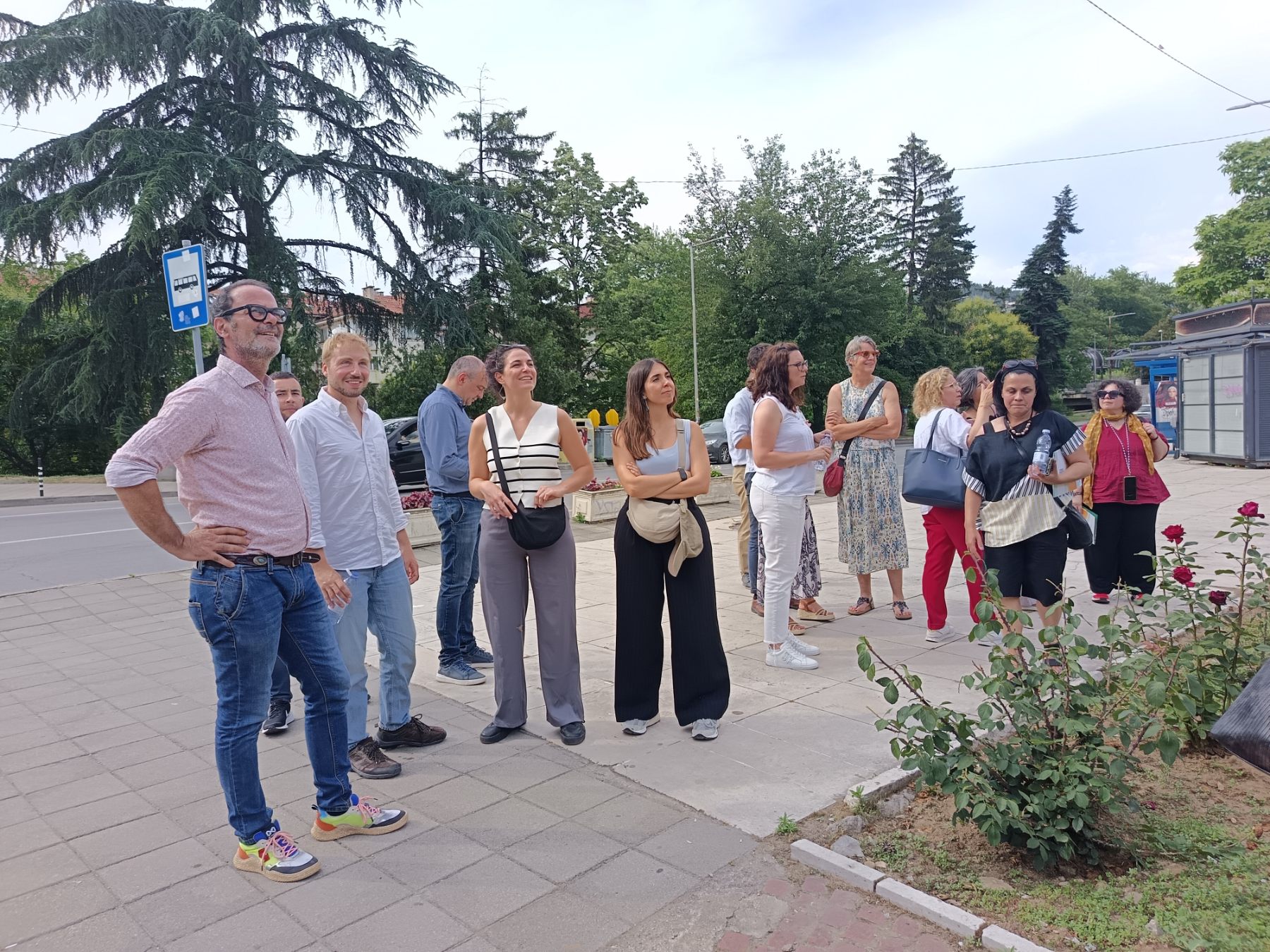
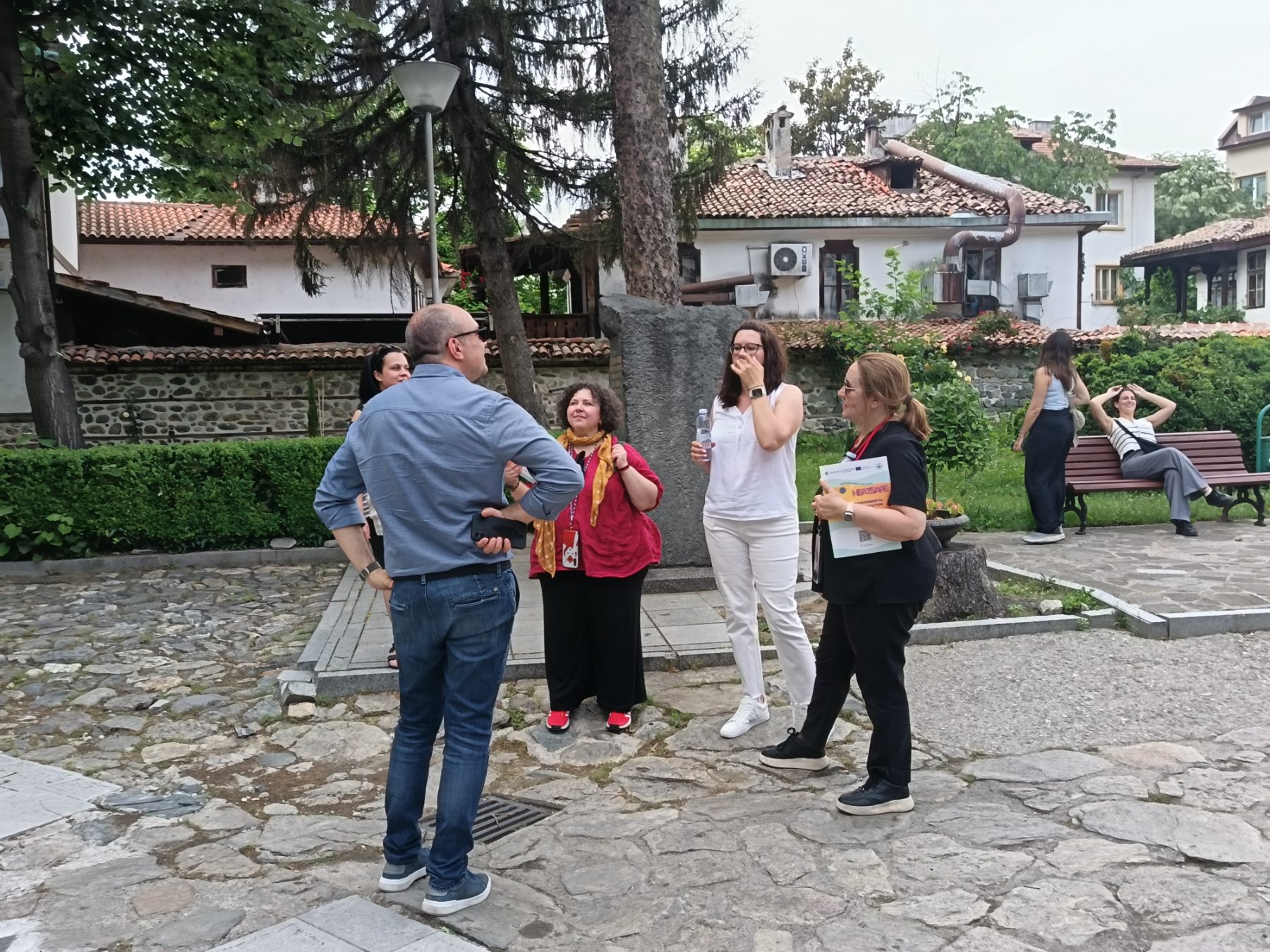
As part of the visit, the hosts organised a guided tour of Blagoevgrad's identified climate shelters and air-conditioned public spaces. These sites will be included in the project's heat vulnerability map - one of HEATSAFE's key tools to support local authorities in decision-making.
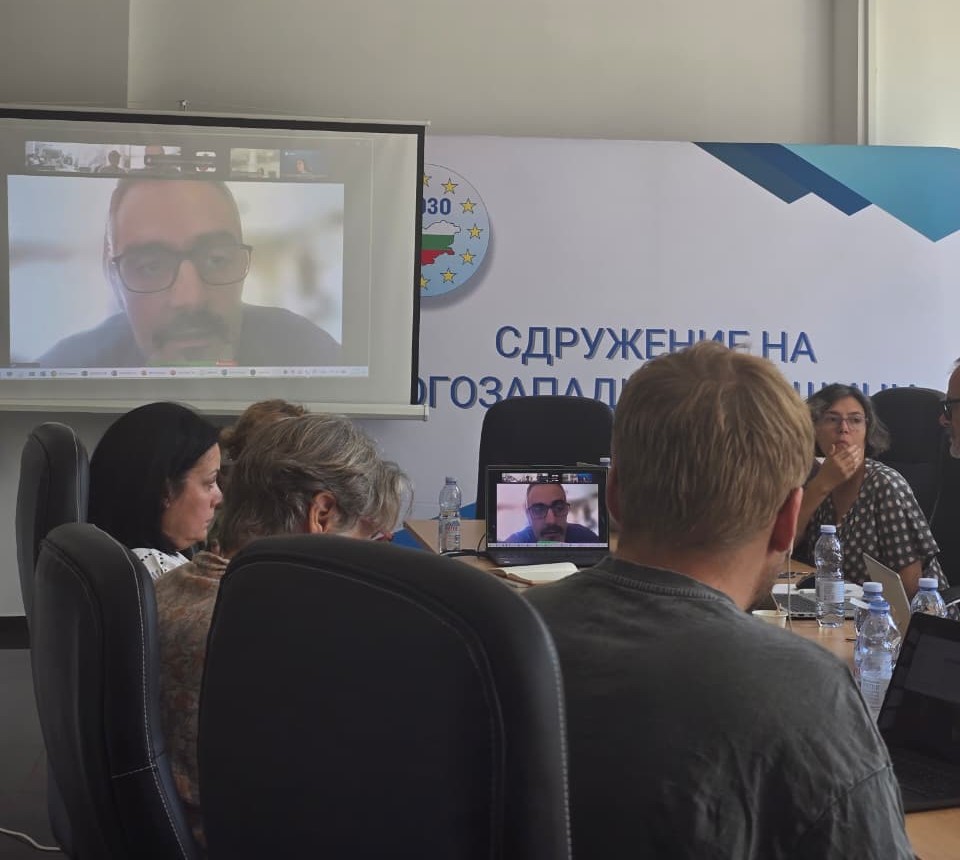
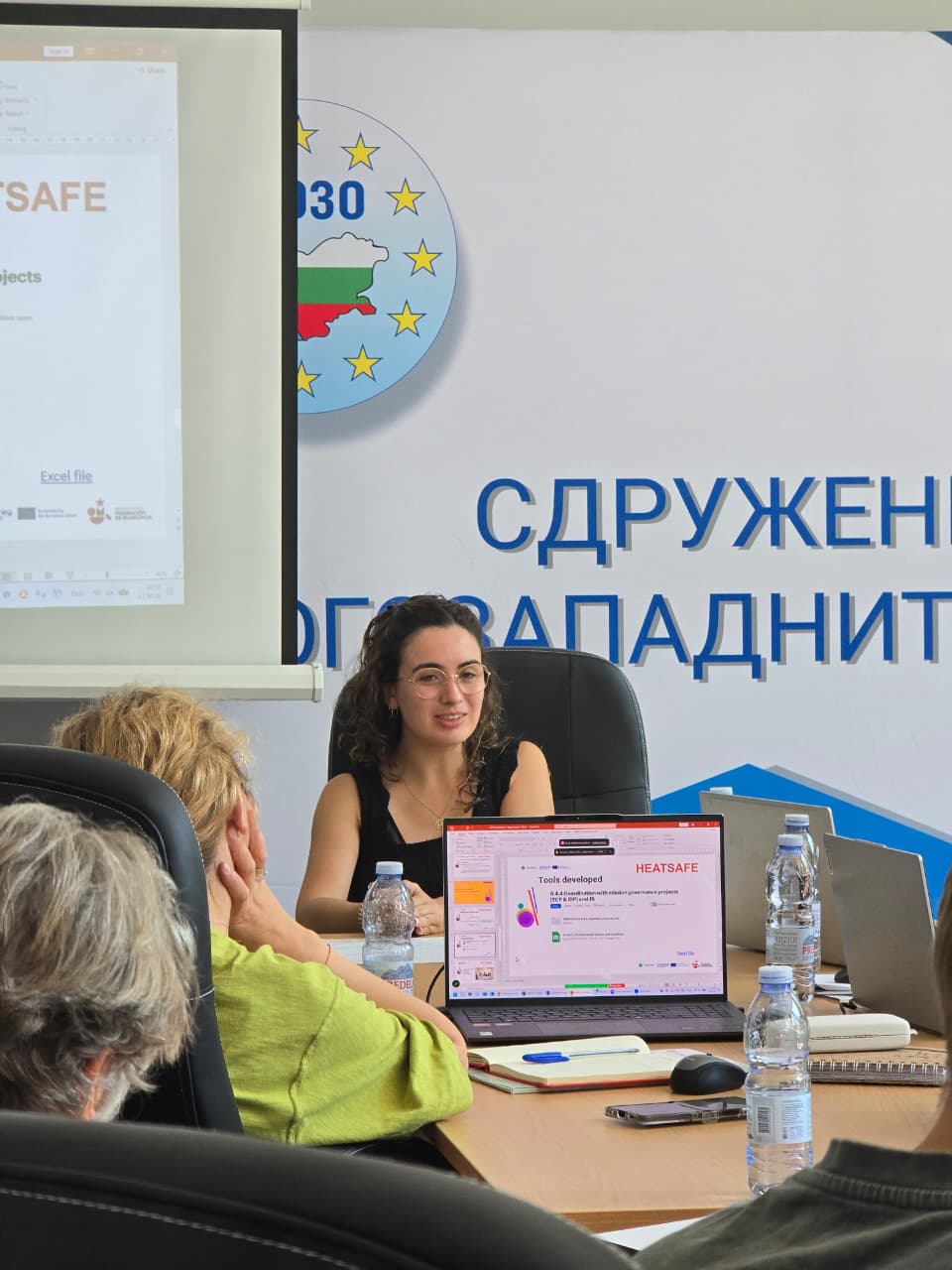
The project has a three-year timeframe. The following results have been achieved to date under ASWM's activities:
- A heat vulnerability mapping methodology has been developed, applied by all partners and used as the foundation for building climate shelter networks.
- The first two meetings of the stakeholder network have been held in Blagoevgrad.
- A Local Action Plan on Extreme Heat is currently being drafted and will be presented to the wider public for consultation and adoption.
- ASWM is procuring mobile shading structures as an immediate measure to protect public spaces during the summer of 2026.
- Weather monitoring sensors have been installed on the roof of the Blagoevgrad Municipality building, with four additional sensors to be mounted at the pilot site.
The Municipality of Blagoevgrad and the Regional Administration of Blagoevgrad are associated partners of ASWM within the project.

Green B-LEAF: Green Participatory Budgeting for Local Environmental Action and sustainable Future empowers rural Mediterranean communities to drive climate adaptation and sustainability through Green Participatory Budgeting (Green PB). By equipping municipalities and residents with data-driven tools and methodologies, the project fosters community-led climate action.
Through collaboration across 8 countries, Green B- LEAF develops and pilots tailored budgeting frameworks, enhances institutional capacity, and promotes community ownership. Outputs include a Green PB methodology, Green Budget Tagging toolkit, pilot projects, and a transnational knowledge-sharing network. The project integrates New European Bauhaus values and ensures long-term impact through community engagement and policy alignment.
The overall Green B-LEAF objective is to enhance climate resilience and sustainability in rural Mediterranean communities through participatory budgeting and data-driven planning. The project therefore addresses challenges such as low community participation in climate planning and budgeting in rural areas; environmental degradation and limited adaptive capacity, lack of tools for assessing the climate impact of local budgets; disconnection between data and local decision-making, and a need for tailored, inclusive, and practical policy tools in small municipalities
Programme: Interreg Euro-MED 2021–2027
Mission: Green Living Areas
Specific Objective: RSO2.4: Promoting climate change adaptation and disaster risk prevention, resilience, taking into account eco-system based approaches
Duration: 33 months
Total Project Budget: € 2.251.263,00
Number of Partners: 11
Number of Countries: 8
Project web page: https://greenb-leaf.interreg-euro-med.eu
ASWM Hosts Second HEATSAFE Working Meeting with Local Stakeholders in Blagoevgrad
Two-day meeting focuses on heatwave response strategies and climate resilience solutions.
First Working Meeting under the HEATSAFE Project – Adapting to Extreme Heat
The kickoff meeting in Murcia took place under record-breaking heat conditions – 39°C, the hottest June on record – a powerful reminder of the urgency of HEATSAFE’s mission.