- 0888 796 233
- office@aswm.net
- Пон. - Пет.


Yakoruda, Samokov, Radomir and Tran have joined the Association over the past year
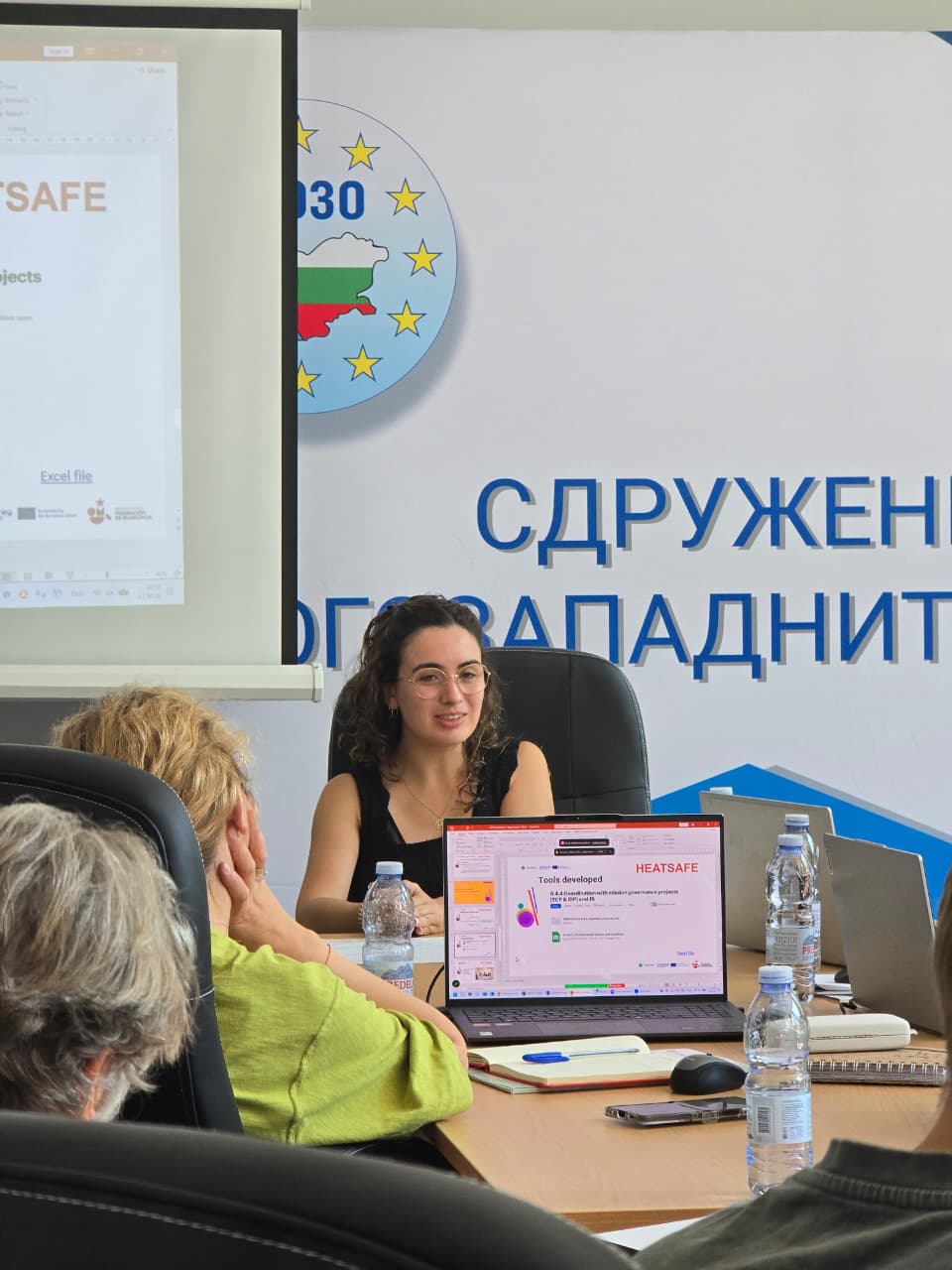
On 30 June 2026, the Association of South-Western Municipalities (ASWM) held the third meeting of the Stakeholder Network under the HEATSAFE – Holistic Framework for Environmental and Social Adaptation to Extreme Heat project, co-funded by the Interreg Euro-MED Programme 2021–2027. The meeting took place at the Municipality of Blagoevgrad. It brought together representatives of public authorities and key stakeholders involved in developing local measures to address the impacts of extreme heat.
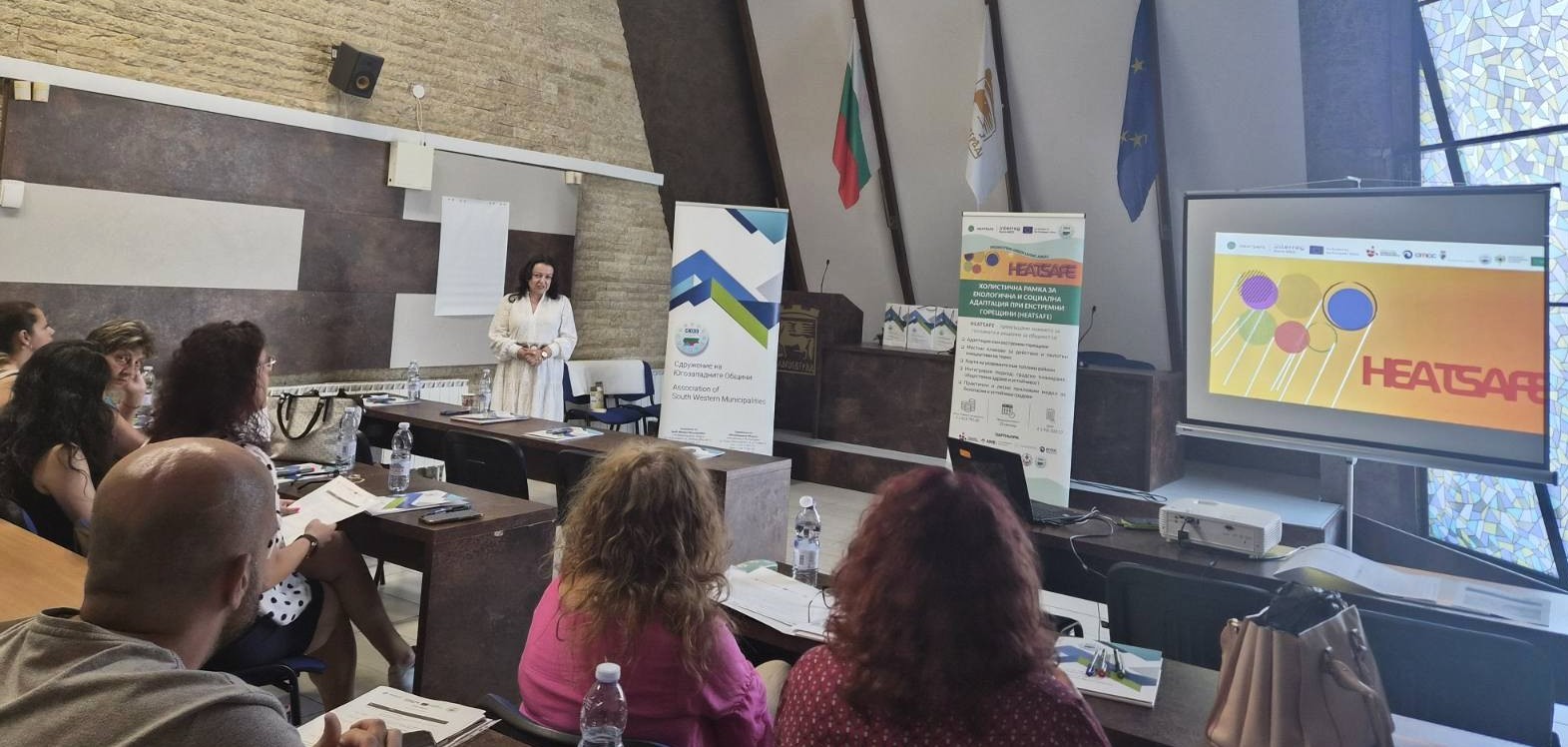
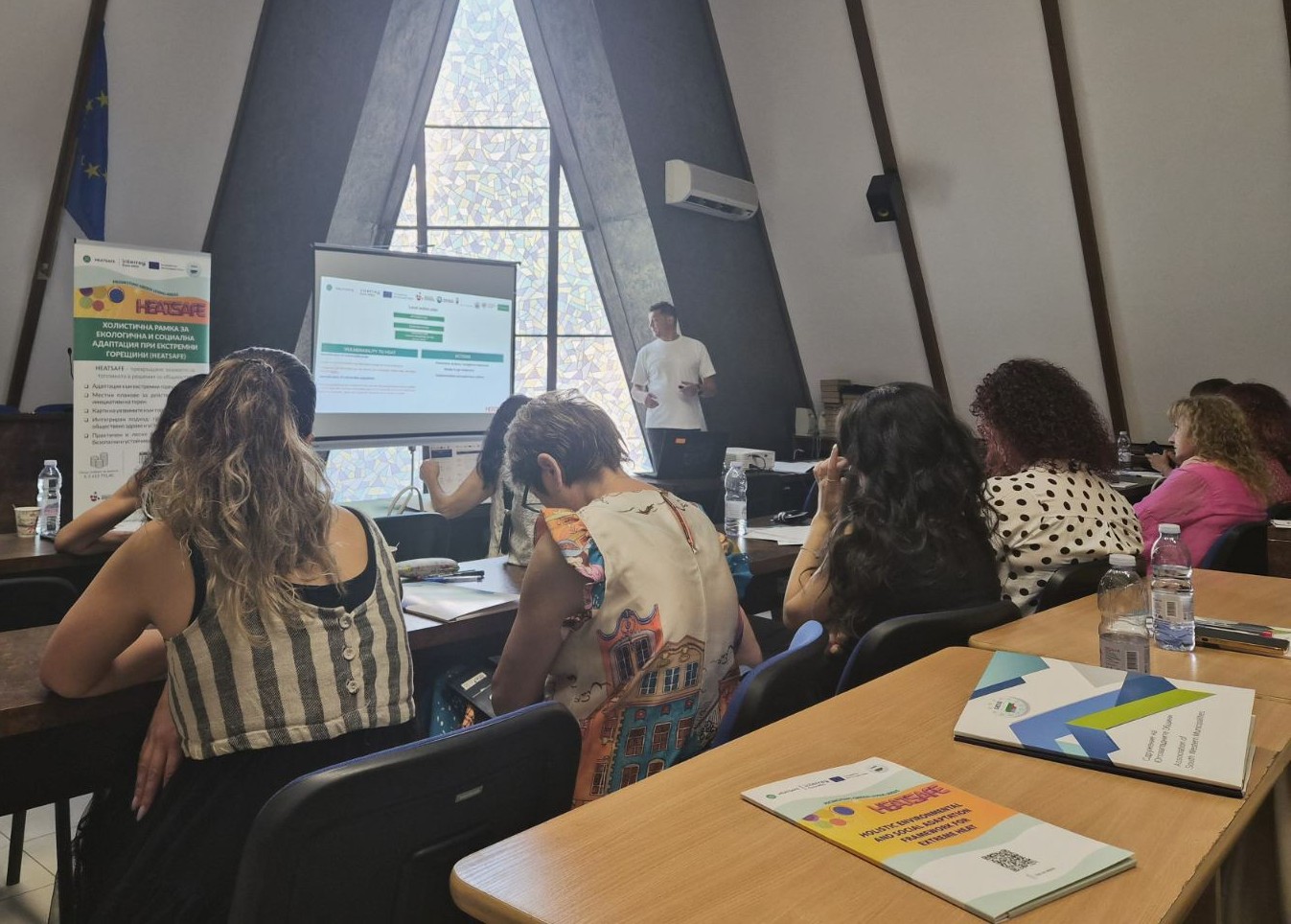
The meeting focused on the draft Local Action Plan, including response protocols for heatwaves, the identification of urban climate shelters, and the communication campaign planned for the summer of 2026. Participants underlined that the proposed protocols are designed to complement, rather than replace, the existing emergency and disaster response mechanisms.
Participants agreed that the HEATSAFE approach is both timely and necessary, as increasingly frequent and prolonged heatwaves require dedicated local planning and stronger institutional coordination. The Local Action Plan aims to improve preparedness, enhance cooperation among responsible authorities, and strengthen the protection of vulnerable population groups during extreme heat events.
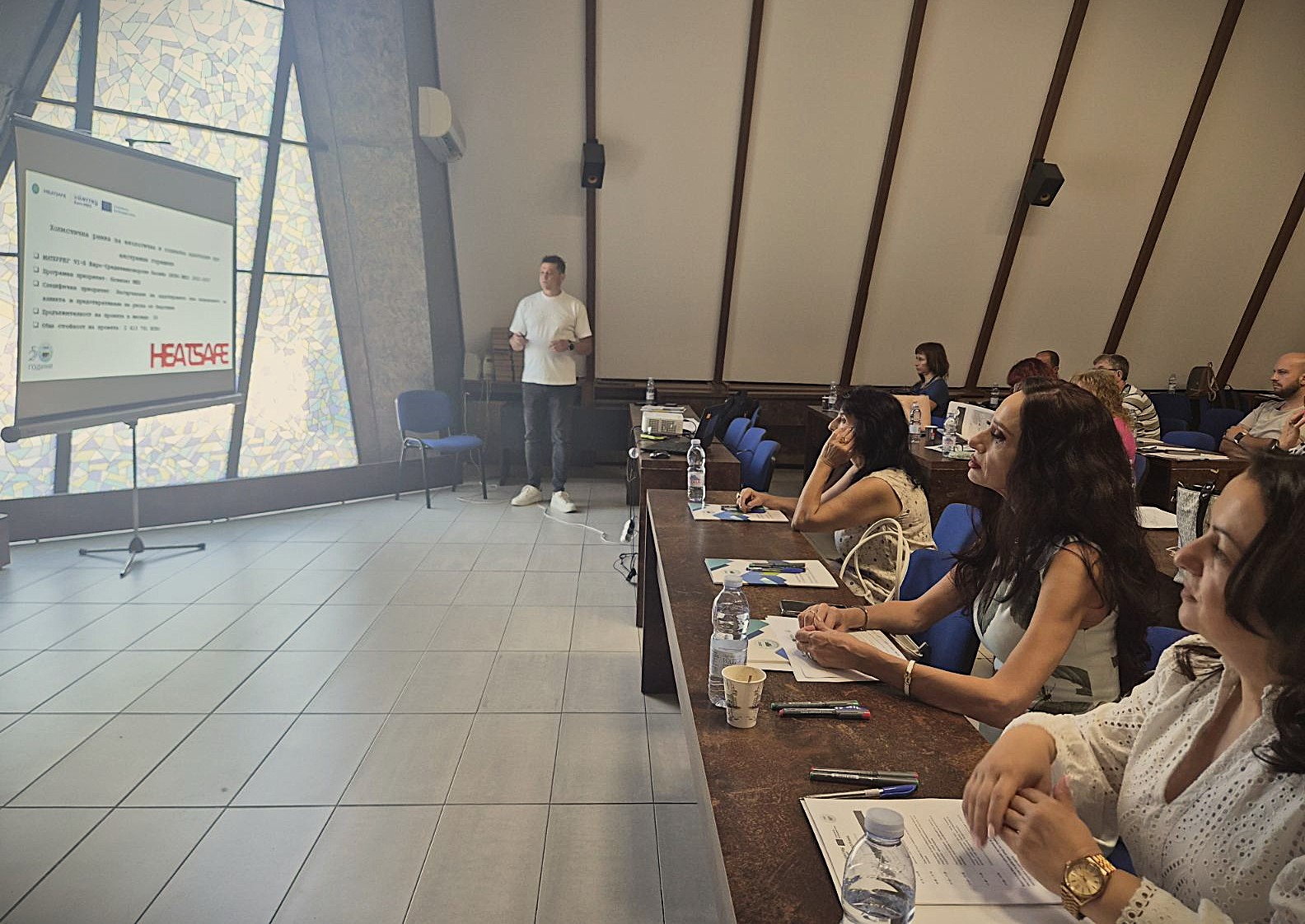
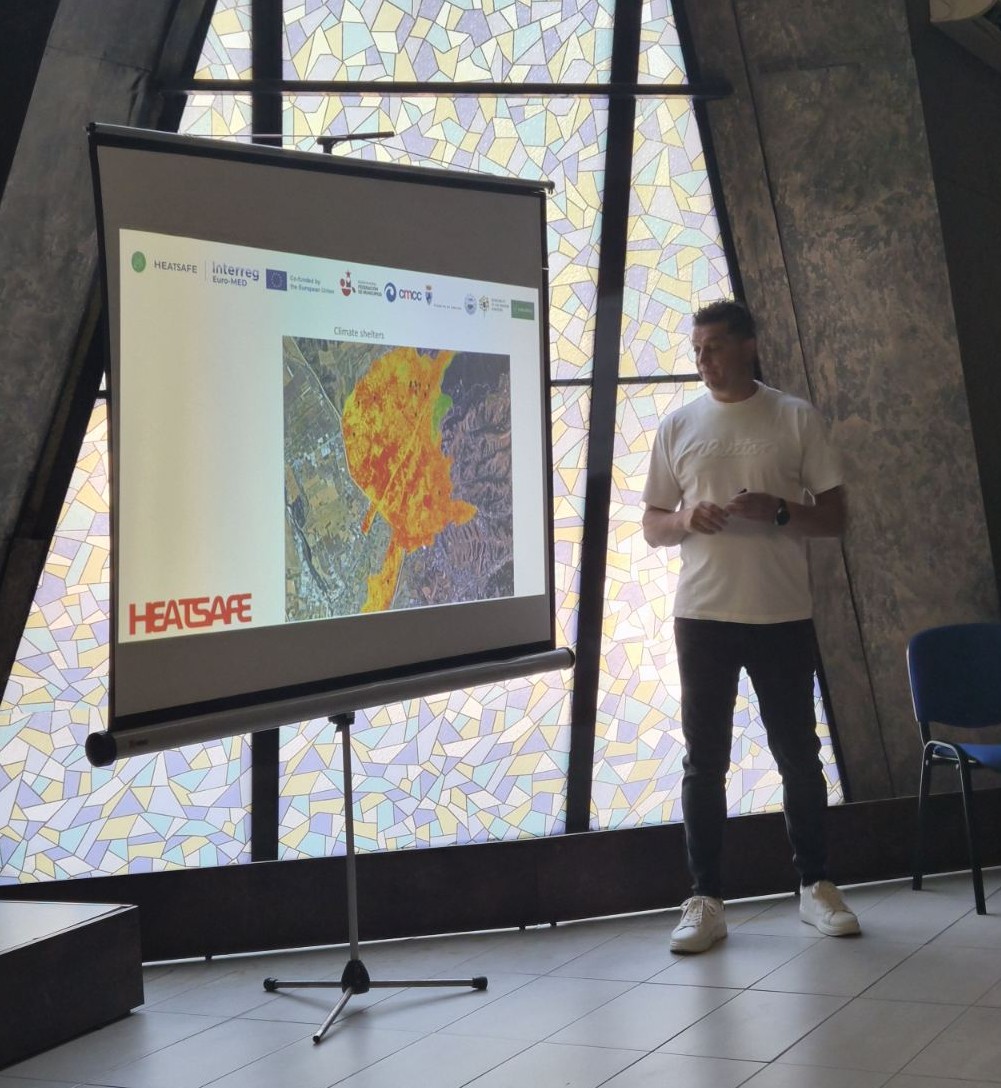
As a practical demonstration, ASWM presented real-time temperature data collected from sensors installed on the roof of the Municipality of Blagoevgrad building. The live monitoring illustrated the impact of urban heat and reinforced the need for evidence-based adaptation measures.
The project's associated partners – the Municipality of Blagoevgrad and the Regional Administration of Blagoevgrad – reaffirmed their commitment to supporting the development of the Local Action Plan. Representatives of the Regional Administration also presented the national BG-ALERT early warning system, whose functionality will be considered in developing local protocols for responding to extreme heat.
Particular attention was given to the analysis of information submitted in advance by members of the Stakeholder Network, including the Regional Inspectorate of Environment and Water, the Regional Health Inspectorate, and the Centre for Emergency Medical Care in Blagoevgrad. Based on these contributions, participants reviewed the proposed measures, identified opportunities for further improvement, and provided recommendations that will be incorporated into the final version of the Local Action Plan.
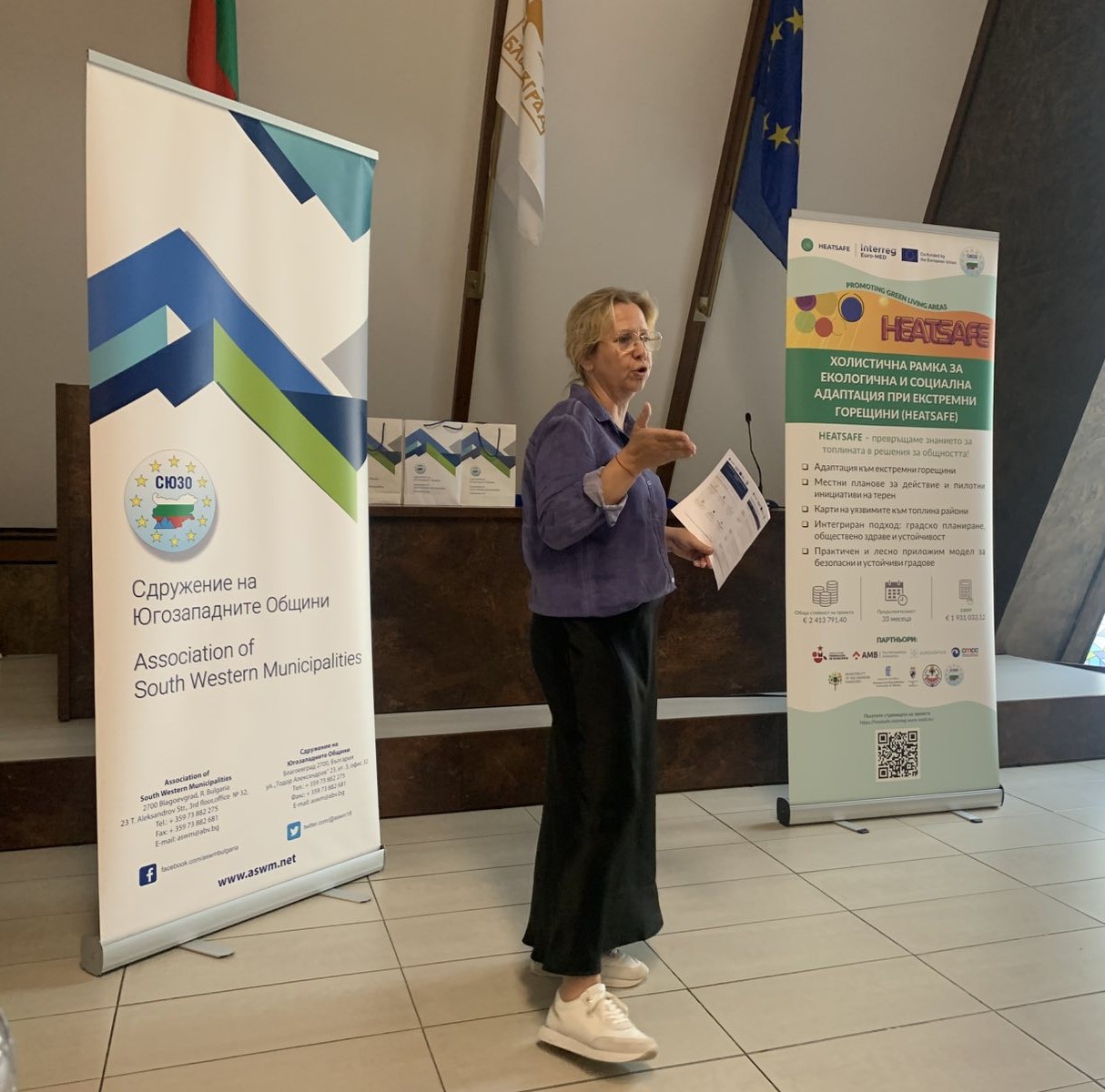
The project will continue with two additional Stakeholder Network meetings and a capacity-building training programme for local institutions and organisations. The continued engagement of all stakeholders remains essential for delivering an effective and practical Local Action Plan for Blagoevgrad.
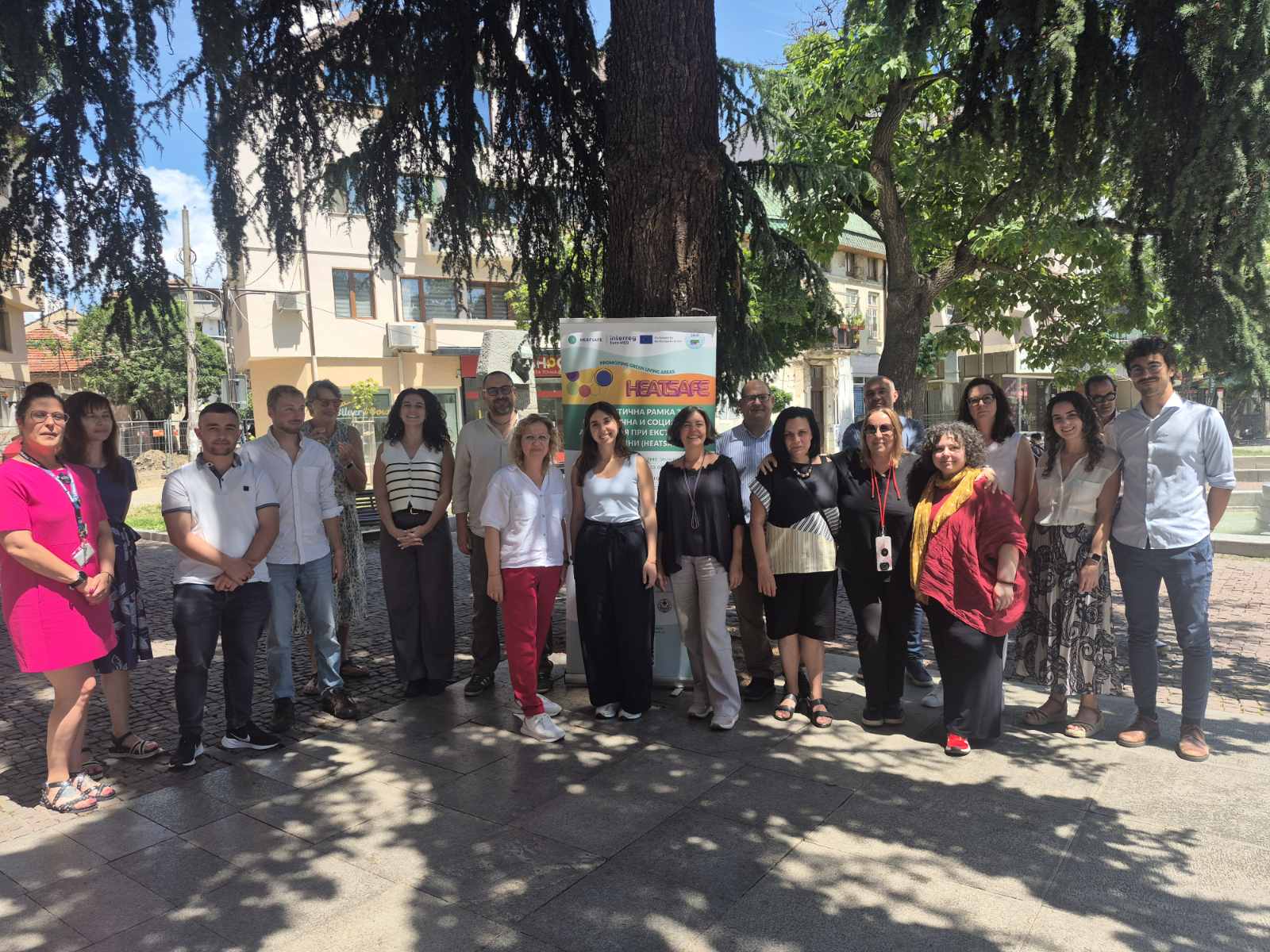
On 10 and 11 June 2026, the Association of South-Western Municipalities (ASWM) organised and hosted a partnership meeting for the European project HEATSAFE – "Holistic Environmental and Social Adaptation Framework for Extreme Heat".
The two-day meeting brought together representatives of all project partners from six Mediterranean countries, united by the shared goal of adapting cities to the increasing frequency and intensity of heatwaves.
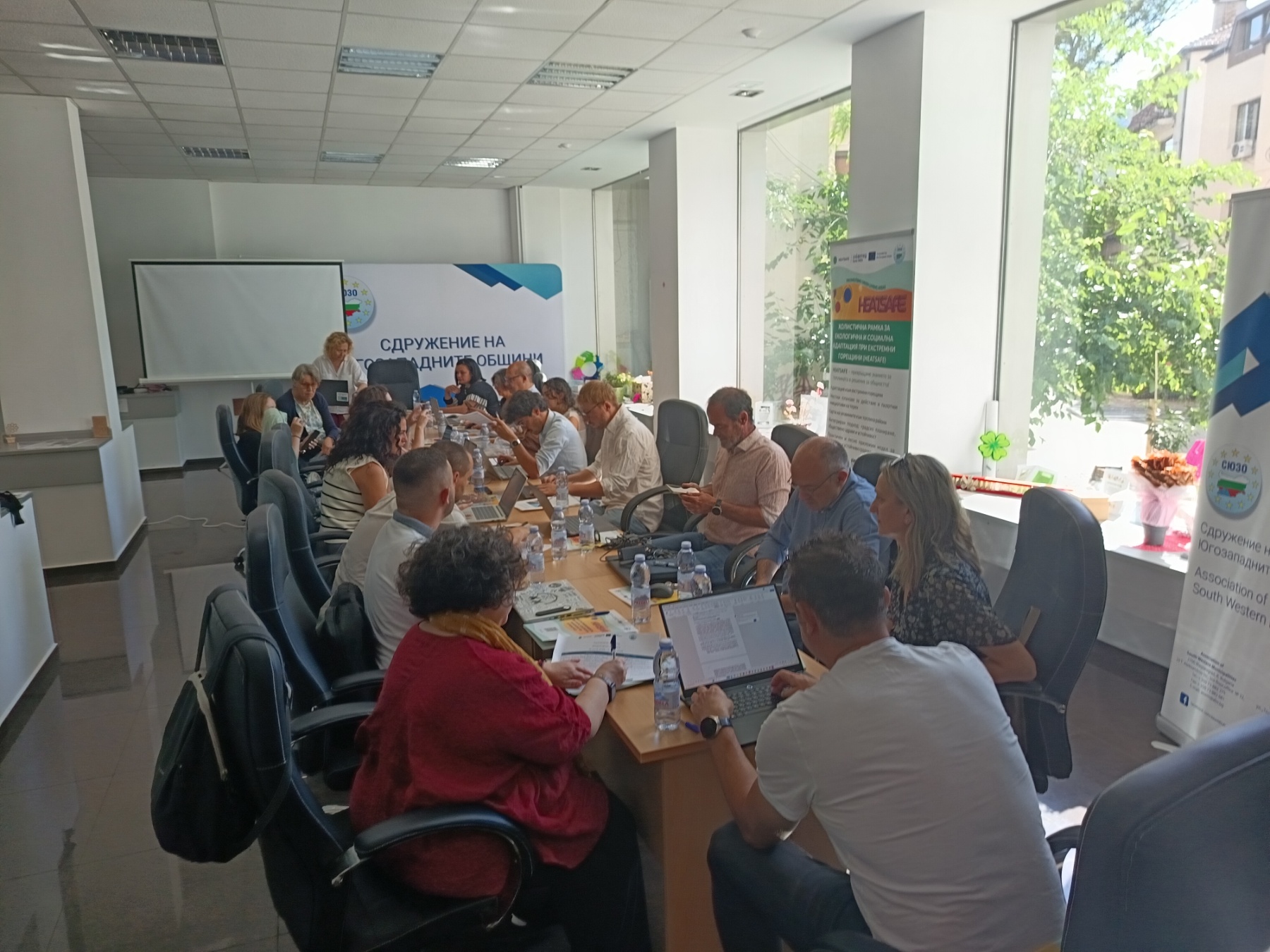
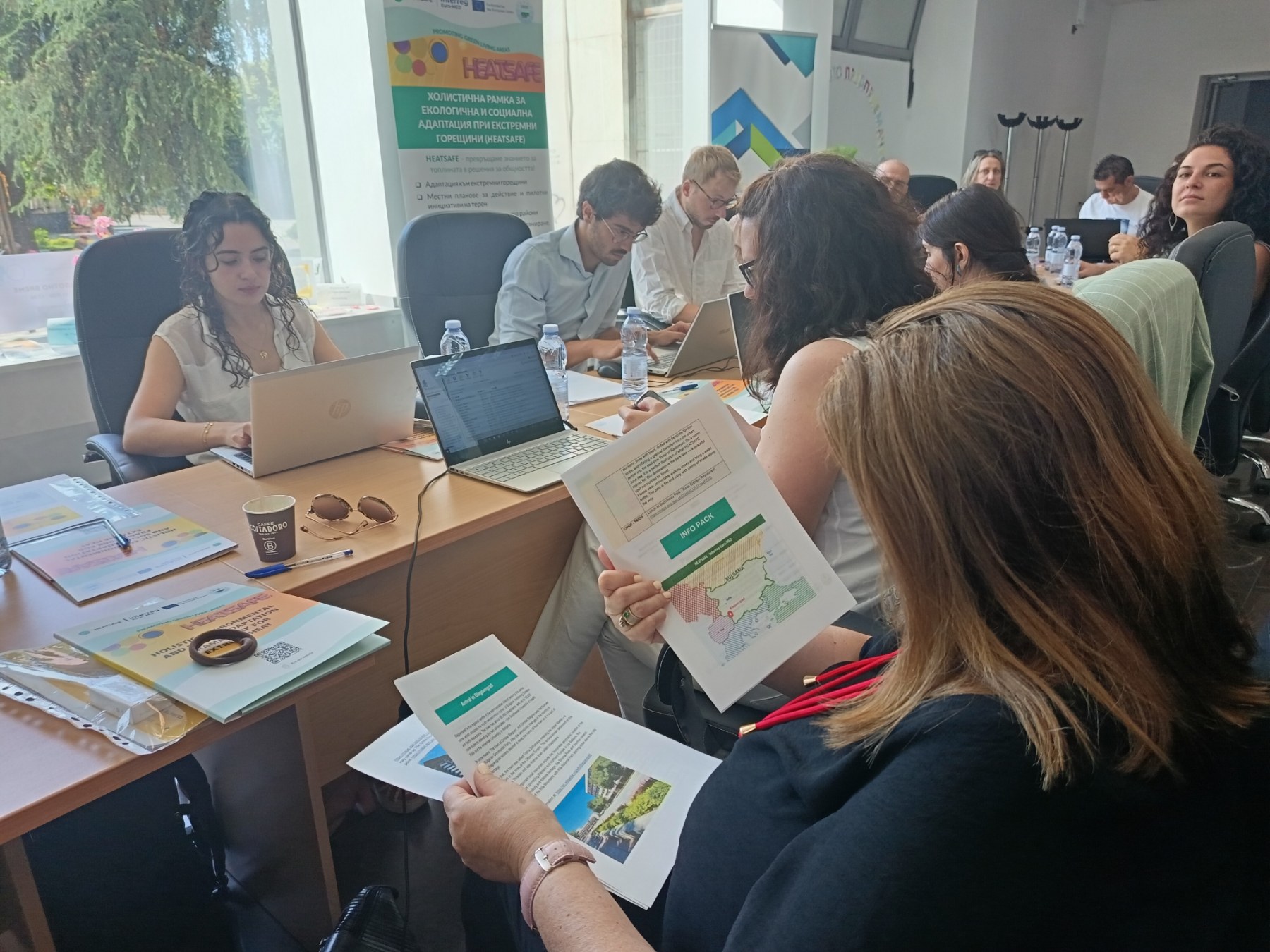
During the meeting, partners worked on common methodologies for the prevention, mitigation and management of heatwave risks, made progress on the development of local action plans, and exchanged good practices in the field of urban adaptation to climate change.
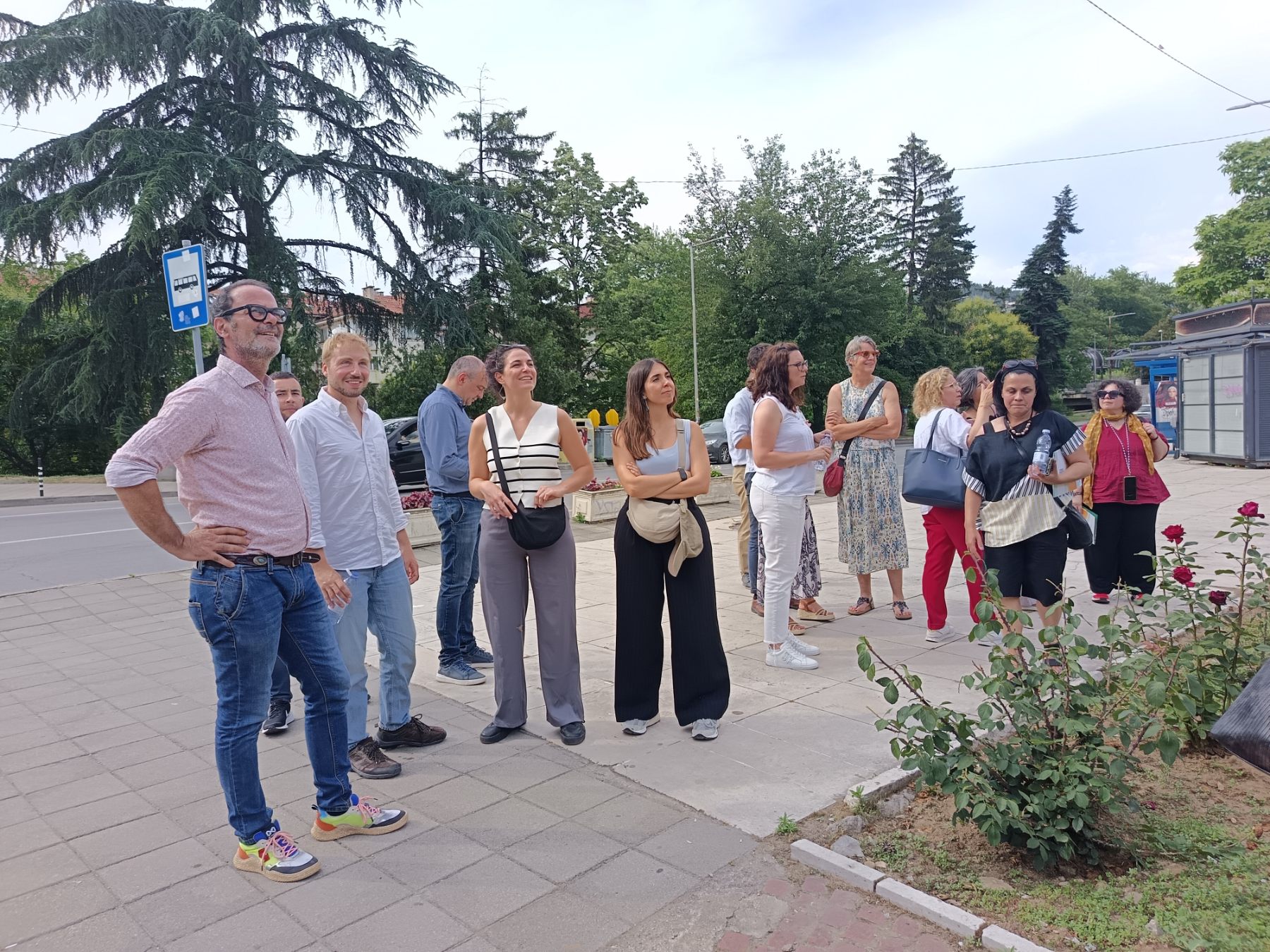
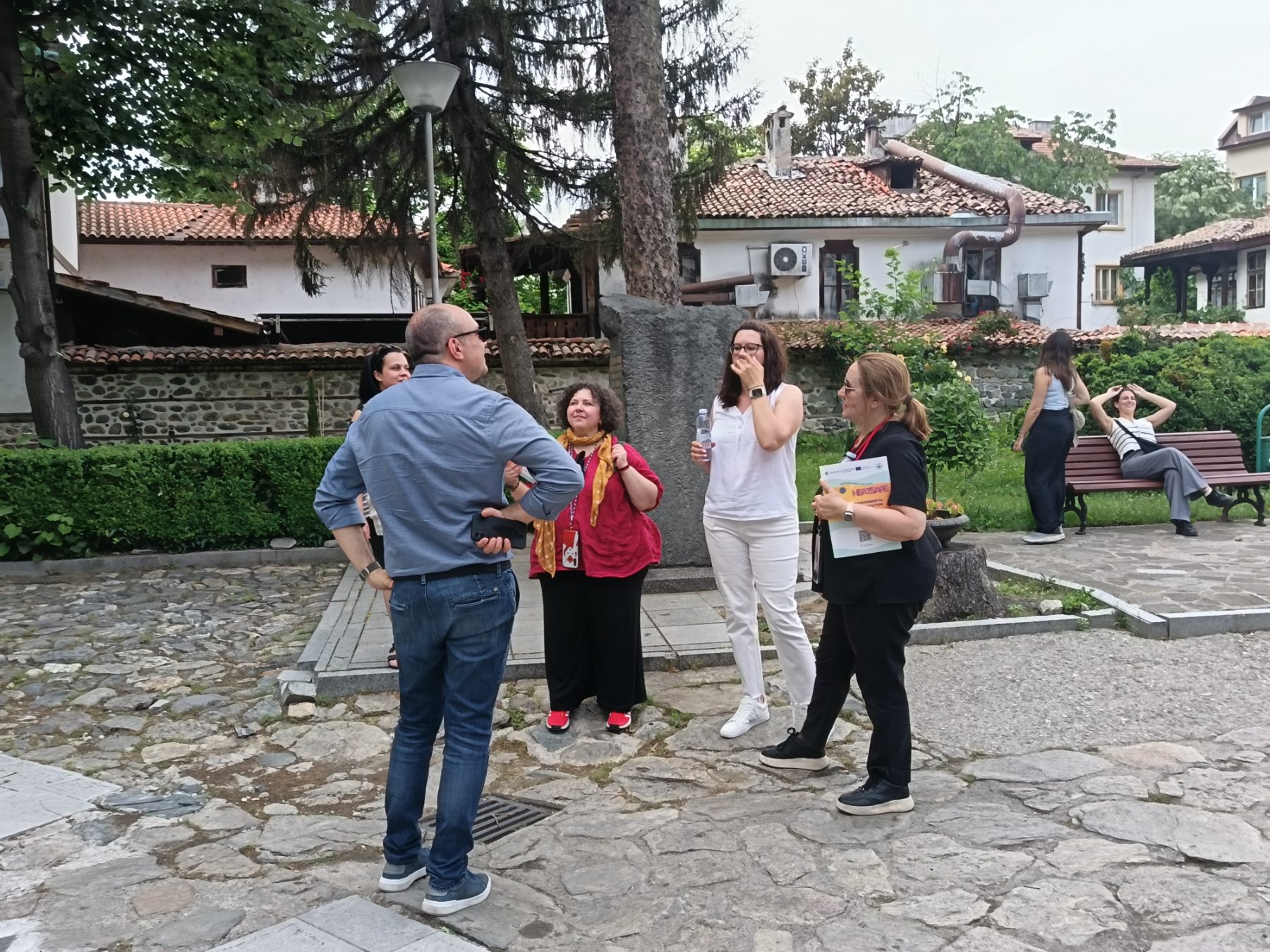
As part of the visit, the hosts organised a guided tour of Blagoevgrad's identified climate shelters and air-conditioned public spaces. These sites will be included in the project's heat vulnerability map - one of HEATSAFE's key tools to support local authorities in decision-making.
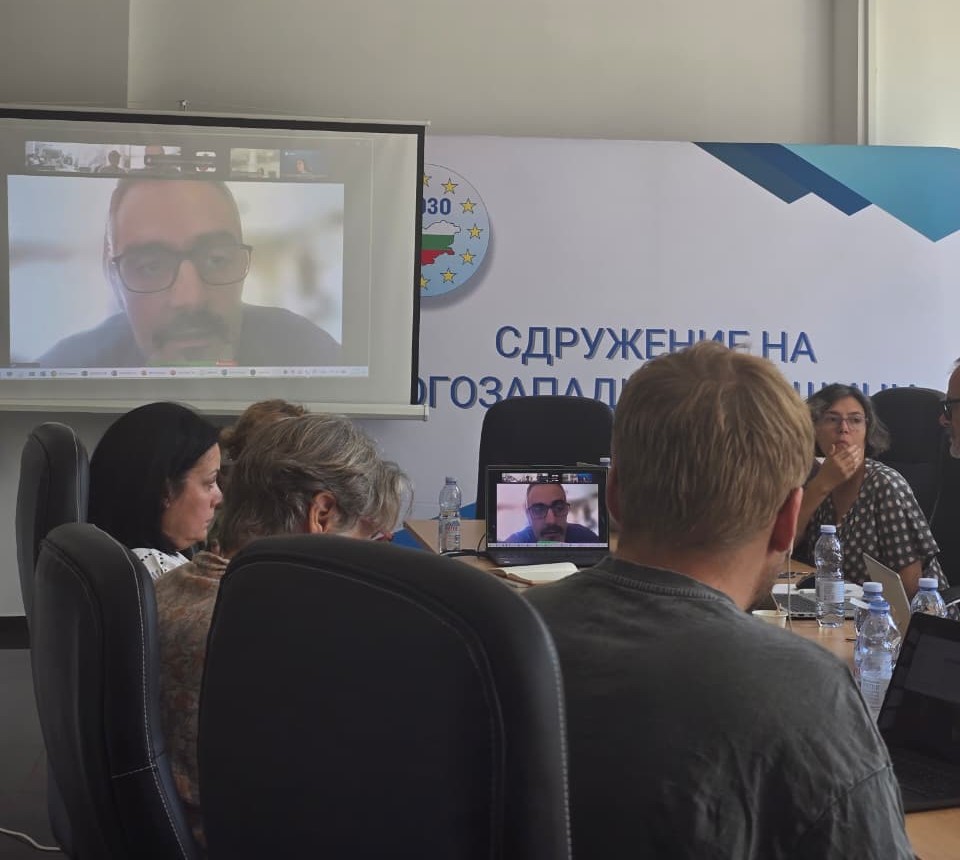
The project has a three-year timeframe. The following results have been achieved to date under ASWM's activities:
- A heat vulnerability mapping methodology has been developed, applied by all partners and used as the foundation for building climate shelter networks.
- The first two meetings of the stakeholder network have been held in Blagoevgrad.
- A Local Action Plan on Extreme Heat is currently being drafted and will be presented to the wider public for consultation and adoption.
- ASWM is procuring mobile shading structures as an immediate measure to protect public spaces during the summer of 2026.
- Weather monitoring sensors have been installed on the roof of the Blagoevgrad Municipality building, with four additional sensors to be mounted at the pilot site.
The Municipality of Blagoevgrad and the Regional Administration of Blagoevgrad are associated partners of ASWM within the project.
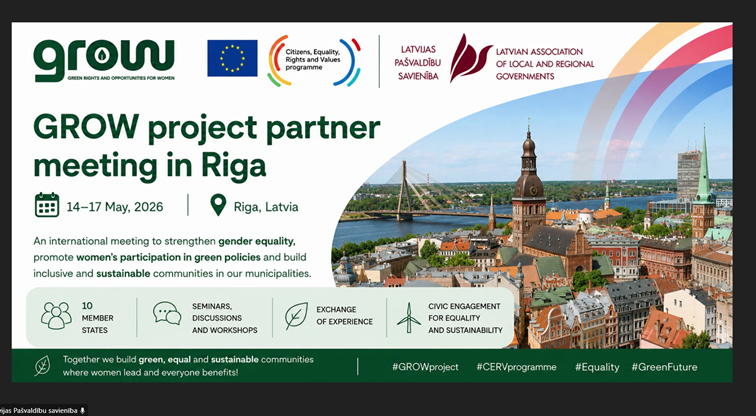
On 15 May 2026 in Riga, Latvia, the first international partner meeting of the GROW – Green Rights and Opportunities for Women project took place, funded under the EU programme CERV 2021–2027 (Citizens, Equality, Rights and Values).
The event was hosted by the Latvian partner — the Latvian Association of Local and Regional Governments (Latvijas Pašvaldību Savienība, LPS / LALRG) — one of the most representative organisations of its kind in Europe. The meeting featured a seminar on "Gender Dimensions of Environmental Challenges: Setting the Stage for Policy Integration" and a workshop on stakeholder engagement to build more inclusive green policies.
ASWM participated as Partner No. 4 in the project. Before partners from 11 countries, the organisation presented its contribution: a network of 26 municipalities in South-Western Bulgaria, experience in promoting women's leadership in local governance, and a commitment to active participation throughout the full cycle of international meetings under the project.
The GROW project aims to empower women in environmental leadership and sustainable development. For the municipalities that are members of ASWM, participation in GROW represents an opportunity to build capacity, exchange good practices, and establish lasting partnerships among municipalities in the region. Four more international meetings are planned within the 24-month project.
On 12 May 2026, Sofia hosted the first transnational workshop under the InDiMaND project - Integrated Disaster Management Network in the Danube Region. The event was organised by the National Association of Volunteers in the Republic of Bulgaria (NAVRB) and brought together representatives from Bulgaria, Romania, Serbia and Croatia - project partners and associated strategic partners.
The workshop is part of Activity A.1.2 - Development of Joint Disaster Preparedness and Response Intervention Models. Participants worked jointly on developing a risk scenario for a Discussion-Based Exercise (DBX) focused on wildfire response and population evacuation. These scenarios will be tested in practice under Activity A.1.3 - five transnational DBX exercises planned across five Danube Region countries.
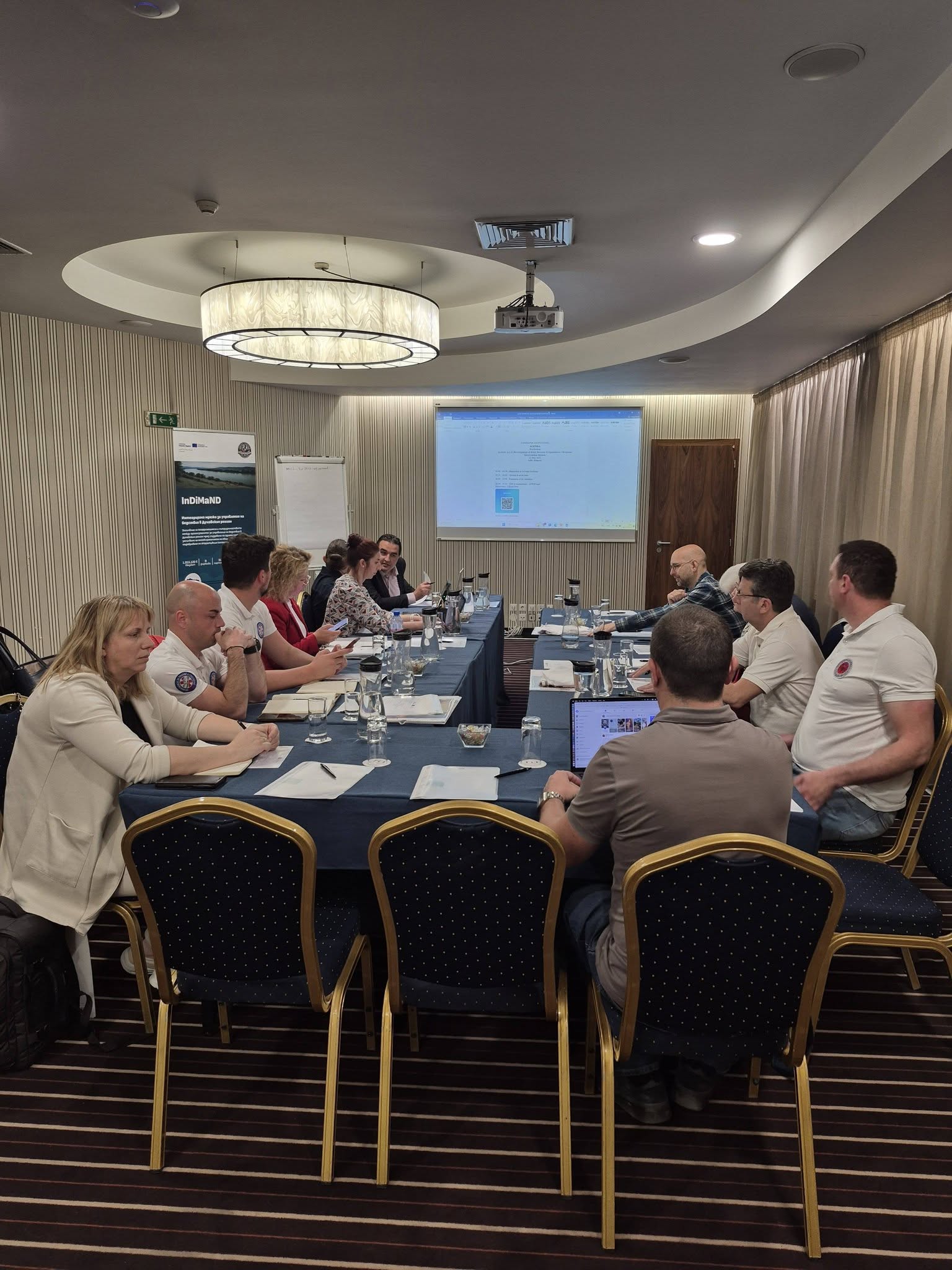
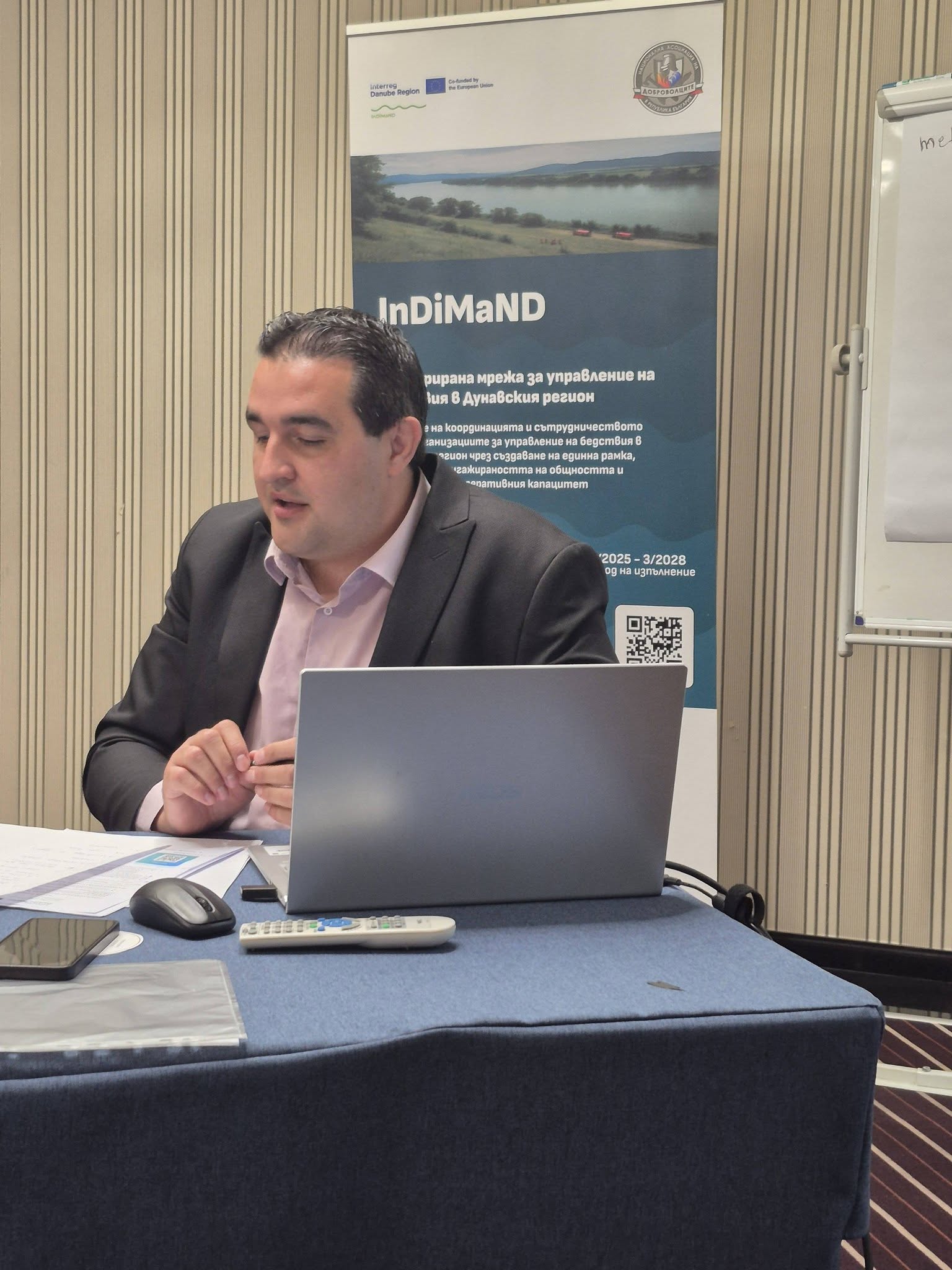
The Association of South-Western Municipalities (ASWM) participated actively in its role as lead partner for Activity A.1.5 - Elaboration of an Action Plan for SOP Adoption. Three tools developed by ASWM, based on the outputs of the project's academic partners - the Review of Existing SOPs (D.1.4.1) and the Common SOPs for the Danube Region (D.1.4.2) -were presented and discussed with partners: Quick Reference Cards for Flood, Wildfire and Earthquake response; a partner questionnaire; and the D.1.5.1 Action Plan template. These tools will support the transition from developed procedures to their actual adoption by organisations across the region.
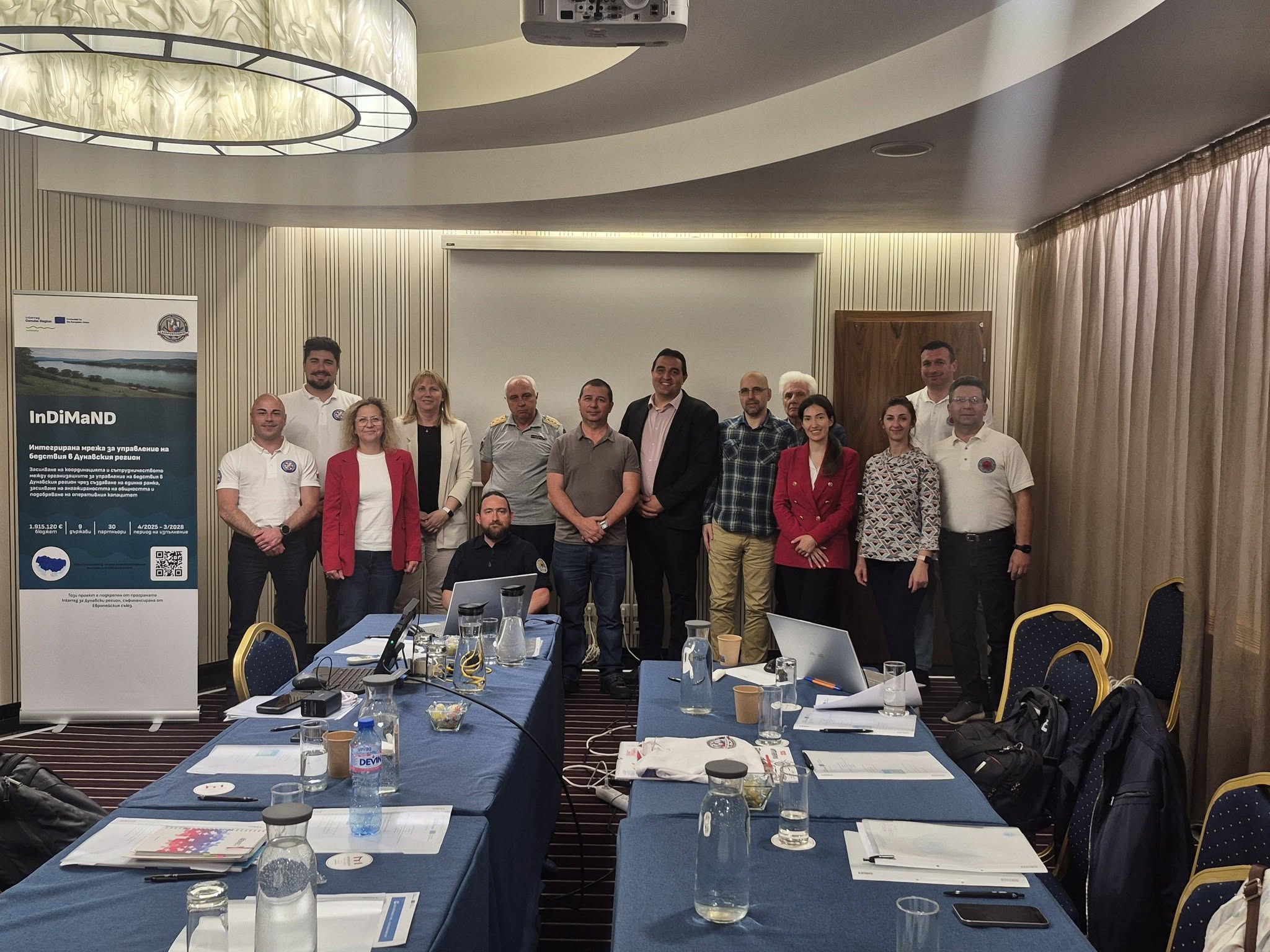
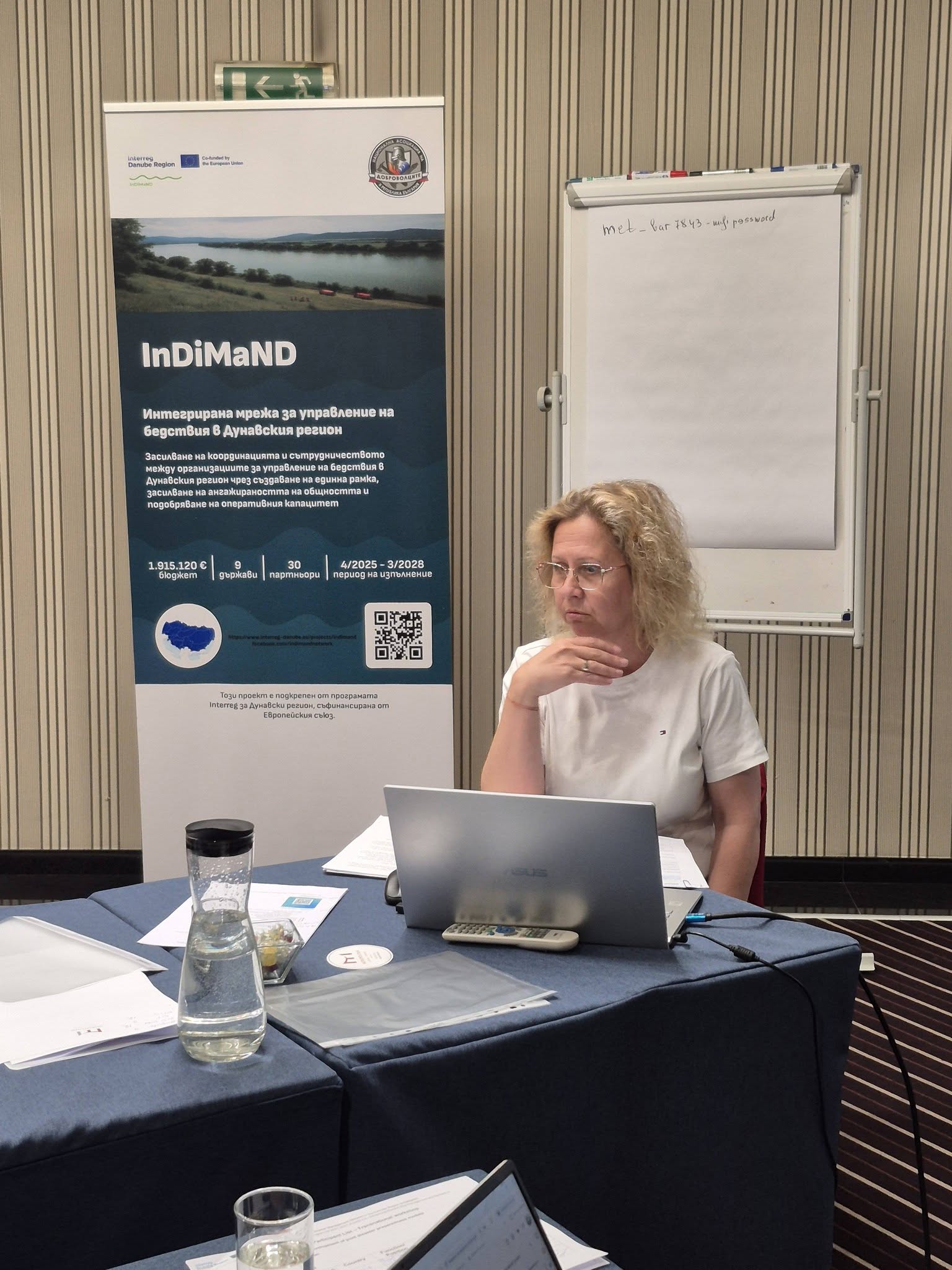
The months ahead mark the most operational phase of the project: Discussion-Based Exercises in five countries, Training of Trainers, small-scale field exercises, testing of the SOPs under realistic conditions, and the development of a Regional Action Plan for their wide adoption.
The InDiMaND project is implemented under the Interreg Danube Region Programme 2021-2027 and is co-funded by the European Union.
www.interreg-danube.eu/projects/indimand

Green B-LEAF: Green Participatory Budgeting for Local Environmental Action and sustainable Future empowers rural Mediterranean communities to drive climate adaptation and sustainability through Green Participatory Budgeting (Green PB). By equipping municipalities and residents with data-driven tools and methodologies, the project fosters community-led climate action.
Through collaboration across 8 countries, Green B- LEAF develops and pilots tailored budgeting frameworks, enhances institutional capacity, and promotes community ownership. Outputs include a Green PB methodology, Green Budget Tagging toolkit, pilot projects, and a transnational knowledge-sharing network. The project integrates New European Bauhaus values and ensures long-term impact through community engagement and policy alignment.
The overall Green B-LEAF objective is to enhance climate resilience and sustainability in rural Mediterranean communities through participatory budgeting and data-driven planning. The project therefore addresses challenges such as low community participation in climate planning and budgeting in rural areas; environmental degradation and limited adaptive capacity, lack of tools for assessing the climate impact of local budgets; disconnection between data and local decision-making, and a need for tailored, inclusive, and practical policy tools in small municipalities
Programme: Interreg Euro-MED 2021–2027
Mission: Green Living Areas
Specific Objective: RSO2.4: Promoting climate change adaptation and disaster risk prevention, resilience, taking into account eco-system based approaches
Duration: 33 months
Total Project Budget: € 2.251.263,00
Number of Partners: 11
Number of Countries: 8
Project web page: https://greenb-leaf.interreg-euro-med.eu
ASWM Hosts Second HEATSAFE Working Meeting with Local Stakeholders in Blagoevgrad
Strengthening regional cooperation for integrated disaster management in the Danube Region
First Working Meeting under the HEATSAFE Project – Adapting to Extreme Heat
The kickoff meeting in Murcia took place under record-breaking heat conditions – 39°C, the hottest June on record – a powerful reminder of the urgency of HEATSAFE’s mission.